INNOVATION
Algae Biofuel Moves From Lab to Heavy Industry
BRK Technology moves algae-based biofuel from pilot trials to large-scale deployment, targeting construction, mining, and maritime sectors
17 Jun 2026
Cleaner fuel is easy to promise in a laboratory. Selling it to a mine operator in Queensland or a cargo vessel in the South China Sea is another matter entirely.
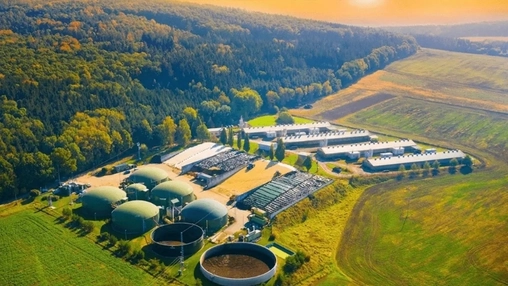
BRK Technology, an Asia Pacific firm, has begun commercial deployment of a biofuel derived from engineered microalgae. The product is designed to replace diesel without modification to existing engines, maintenance routines, or operating schedules. According to the company's own data, lifecycle carbon emissions fall by up to 80% compared with conventional diesel. That figure, if it holds at scale, is the kind of number that tends to attract attention from regulators and fleet managers alike.
Construction, mining, and maritime operations are the primary targets. Each sector runs heavy machinery on tight timetables and with little appetite for downtime. Electrification, for all its appeal in lighter transport, remains impractical across these categories. Drop-in fuel compatibility is not a marketing point here; it is a procurement requirement.
"Operators are asking for lower-carbon fuels that work with existing engines, existing maintenance cycles and real-world duty profiles, and that is where algae-based biofuel starts to become commercially relevant," said Jin Wong, BRK Technology's chief executive.
Earlier biofuel ventures have tended to stumble not on chemistry but on logistics. Feedstock shortages, inconsistent production volumes, and thin distribution networks left promising pilot projects stranded before they reached meaningful scale. BRK Technology says it has built partnerships across logistics and infrastructure networks to manage supply from source to delivery. Whether those arrangements prove durable under commercial pressure remains to be seen.
For fleet operators, the financial logic is not trivial. Avoiding engine retrofits eliminates a category of transition cost that has historically slowed adoption of alternative fuels. As regulatory requirements on industrial emissions tighten across the region, commercially available low-carbon fuels that slot into existing operations without disruption could prove more persuasive than electrification timelines that remain, for many heavy industries, comfortably distant.
Algae-based fuel has been on the verge of commercial relevance for the better part of two decades. The verge, at least, appears to be moving.
Related News


topics on the agenda
LATEST TRENDS IN FEDERAL AND STATE BIOFUELS POLICY
DAY 1: undefined
09:00 - 09:25
DE-RISKING THE BIOFUELS VALUE CHAIN: TRADE, TECHNOLOGY, AND CAPITAL
DAY 1: undefined
09:30 - 09:55
FOOD VS. FUEL: CONFLICT OR SYNERGY?
DAY 1: undefined
11:30 - 11:55
SUBSCRIBE FOR UPDATES
By submitting, you agree to receive email communications from the event organizers, including upcoming promotions and discounted tickets, news, and access to related events.