PARTNERSHIPS
Qantas, Boeing Back Australia's Green Fuel Push
Cyan Ventures launches a Green Fuels Accelerator with A$2.47M from ARENA, Qantas, and Boeing to fast-track seven low-carbon fuel projects
16 Jun 2026
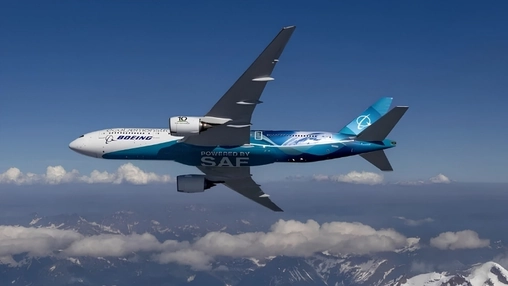
Seven fuel projects. Three states. One bet that Australia can make green aviation fuel before the world stops waiting.
Cyan Ventures launched its Green Fuels Accelerator this month, backed by A$2.47 million from a mixture of public and private sources. Australia's Renewable Energy Agency contributed A$766,000. Qantas and Boeing together pledged A$1.7 million more. The funding structure is deliberate: without public co-investment, private capital rarely touches ventures this early in their development. Pairing the two is how governments hope to change that calculus.
The selected projects span Queensland, Western Australia, and New South Wales. Their targets range from sustainable aviation fuel to biomass-based alternatives for shipping. Geographic spread matters here. Concentrating supply chains in a single region creates fragility; spreading them creates options. Each project is being guided toward financial close, the stage where most early-stage energy ventures quietly collapse before reaching commercial scale.
For Qantas, the motivation is plain enough. Chief Sustainability Officer Fiona Messent stated that scaling a domestic sustainable aviation fuel industry is central to the airline's goal of reducing Australian aviation emissions. Local supply chains, rather than imported fuel, would cut both carbon intensity and exposure to global price swings.
Boeing's involvement adds something different: the credibility of a major aerospace buyer signalling that demand is real, not theoretical. Airlines and shipping firms are already seeking low-carbon fuels faster than supply can meet them. Structured financial support of the kind Cyan Ventures offers could draw further private capital into the gap.
Cyan Ventures expects the first projects to reach commercial production before 2030. If that timeline holds, Australia would enter the global green fuels market ahead of most competitors, rather than scrambling to catch up.
Ambition of this kind is easy to announce. The harder test is whether seven projects, a modest budget, and a structured process can actually move the needle on one of aviation's most stubborn problems.
Related News


SUBSCRIBE FOR UPDATES
By submitting, you agree to receive email communications from the event organizers, including upcoming promotions and discounted tickets, news, and access to related events.