INNOVATION
SAF One and DHL Make History in the Gulf
DHL Express and SAF One have struck the Middle East's first SAF offtake deal, connecting Gulf supply to a global logistics network
12 Jun 2026
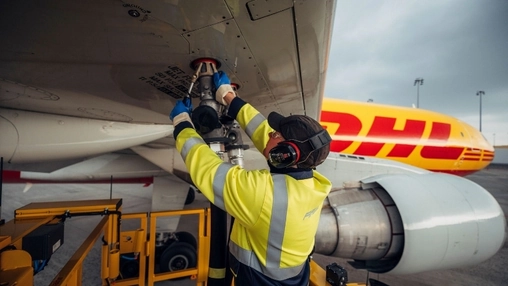
DHL Express and Dubai-based SAF One finalized a sustainable aviation fuel offtake agreement on May 31, a deal that connects the Middle East's first SAF production facility directly to one of the world's largest logistics networks. The agreement, announced as global demand for low-carbon aviation fuel accelerates sharply, gives regional SAF output a structured commercial pathway for the first time.
Until now, airlines and freight operators across the Gulf had cited limited local fuel availability as a persistent barrier to meeting near-term emissions targets. The deal addresses that gap by tying SAF One's production capacity to DHL's established supply chain, a model analysts say could be replicated across other emerging markets still without dedicated SAF infrastructure.
For SAF One, securing an anchor partner of DHL's scale reduces the financial risk of the production investment. The SAF market is projected to reach $43.75 billion by 2034, according to industry forecasts, and producers entering at this stage depend on committed offtake to validate the underlying economics. Building a facility without a guaranteed buyer at that scale carries substantial exposure.
DHL, in turn, gains geographic diversification in its SAF sourcing. Spreading supply across multiple regions limits the company's vulnerability to single-market disruptions and reinforces fuel availability for its Middle Eastern route network, a concern that grows more urgent as regulatory pressure on aviation emissions intensifies worldwide.
Beyond the two signatories, the agreement carries implications for the broader Gulf energy landscape. Sovereign wealth funds and national energy companies have watched the global SAF transition closely, weighing whether the commercial fundamentals justify large-scale investment. A successful deployment in the region could encourage further projects across the Arabian Peninsula, accelerating a sector that, for years, has grown faster in Europe and North America than in the Middle East. The results could shape investment patterns and policy frameworks across the region for years ahead.
Related News


SUBSCRIBE FOR UPDATES
By submitting, you agree to receive email communications from the event organizers, including upcoming promotions and discounted tickets, news, and access to related events.