REGULATORY
Record Biofuel Mandates Are Now Federal Law
Record RFS volumes push biomass-based diesel 60% higher, injecting $10B into rural America
4 Jun 2026
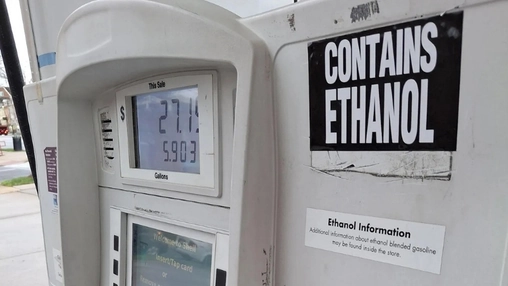
The United States has formalised the most ambitious federal biofuel targets in the programme's history. On 27 March 2026, the Environmental Protection Agency finalised its Renewable Fuel Standard "Set 2" rule, raising total required volumes to 25.82 billion Renewable Identification Numbers for 2026, up from 22.33 billion the prior year.
Biomass-based diesel absorbs the sharpest increase. Volumes for that category rise roughly 60 per cent above 2025 levels, reaching 9.07 billion RINs this year and 9.20 billion in 2027, the single largest annual step change since the programme launched two decades ago. Included in those figures is a reallocation of 70 per cent of volumes previously waived for small refiners between 2023 and 2025, restoring approximately two billion gallons of renewable demand that producers and farm groups had argued was owed to domestic markets.
Corn-based ethanol retains its 15-billion-gallon statutory floor. The EPA projects the rule will direct more than $10bn into rural economies and support over 100,000 jobs across agriculture and manufacturing. Compliance takes effect 15 June 2026.
Two structural changes accompany the volume increases. Renewable electricity, previously eligible for compliance credits through the eRINs pathway, has been removed from the programme entirely. From 2028, foreign-produced biofuels and feedstocks will earn half the RIN credit value of domestic equivalents, prioritising American supply chains without forcing an immediate market disruption.
Opposition remains. Consumer advocacy groups warn that record mandates risk diverting corn and soybean crops from food supply, adding further strain on prices already elevated by global trade pressures. Oil refiner associations caution that a surge in biomass-based diesel obligations could pass through to motorists. A Congressional Review Act resolution introduced in the House seeking to nullify the rule has been referred to committee, leaving residual legislative risk unresolved.
Domestic producers now hold the clearest federal demand signal in two decades. Whether supply chains can scale fast enough to meet it remains an open question.
Related News


SUBSCRIBE FOR UPDATES
By submitting, you agree to receive email communications from the event organizers, including upcoming promotions and discounted tickets, news, and access to related events.