INNOVATION
CO2 Stops Being Waste, Starts Being Fuel
Carbon Engineering and Climeworks are driving 2026's carbon capture surge, turning CO₂ into aviation fuel and clean feedstocks.
1 Jul 2026
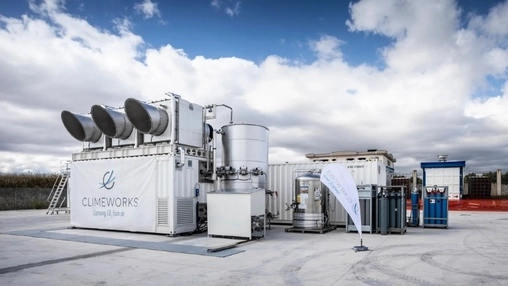
Two companies are changing how industry views carbon dioxide, treating it less as waste and more as a raw material. Carbon Engineering's Air-to-Fuels process combines captured CO₂ with green hydrogen to make low-carbon jet fuel, aimed at an aviation sector responsible for 2 to 3 per cent of global emissions.
Airlines stand to gain the most from this shift. Synthetic fuel lets carriers cut emissions without replacing aircraft or building new infrastructure, making it one of the few near-term decarbonization tools available at scale.
Climeworks is pursuing a related but distinct approach. Its Orca plant in Iceland removes 4,000 tonnes of CO₂ from the air each year, showing that direct air capture can run at meaningful industrial scale. While Carbon Engineering converts captured carbon into fuel, Climeworks demonstrates that air itself can serve as a dependable source of raw material.
Point-source capture and direct air capture now define the field in 2026. One targets emissions where they are produced. The other removes carbon already circulating in the atmosphere, reaching pollution that point-source systems cannot. Carbon Credits describes this as a broader shift in how aviation and heavy industry source carbon-based feedstock, giving companies more low-carbon inputs to choose from.
For airlines, timing matters most. Regulators in Europe and North America are tightening emissions rules, and fuel made from verified captured carbon offers a workable path to compliance. Investors and fuel buyers are watching closely as costs for both technologies continue to fall.
Whether this momentum holds will depend on how quickly capture costs decline and how regulators define acceptable carbon accounting. For now, captured carbon looks less like a disposal problem and more like an input the clean-energy economy is beginning to depend on.
Related News


topics on the agenda
LATEST TRENDS IN FEDERAL AND STATE BIOFUELS POLICY
Day 1: WEDNESDAY, JULY 22, 2026
09:00 - 09:25
FLEXIFORMING UPGRADES RENEWABLE NAPHTHA AND ALCOHOL TO SAF AT HALF THE COST OF ALTERNATIVES
Day 1: WEDNESDAY, JULY 22, 2026
12:00 - 12:25
PANEL DISCUSSION ON SCALING WASTE-TO-FUEL INNOVATIONS FROM AGRICULTURAL RESIDUES AND NON-FOOD FEEDSTOCKS FOR SUSTAINABLE, COST-EFFECTIVE BIOFUEL PRODUCTION
Day 1: WEDNESDAY, JULY 22, 2026
13:30 - 14:00
SUBSCRIBE FOR UPDATES
By submitting, you agree to receive email communications from the event organizers, including upcoming promotions and discounted tickets, news, and access to related events.